Walk into any menswear shop and ask for a dress shoe past size 13, and the salesman's face does a predictable dance. A black lace-up in a 14? Maybe, buried in a back room since spring. But size 14 dress shoes as a planned range — not a token pair, not a stretched pattern — is where the rack ends and silence begins. The industry built itself around the median foot, and everyone past it learned to apologize for existing. Here is what actually changes above size 13, and where the honest options live.
The first thing to understand is that big feet are not just longer versions of small feet. Proportion shifts: heel cup depth, instep height, waist taper, toe geometry all scale non-linearly, and a factory that simply stretches a size 10 last to a 14 breaks every one of them. The heel counter becomes a ramp instead of a cup. The throat gapes where it should hug. The waist goes convex and clunky. The flex point lands in the wrong place. What arrives is a shoe that fits nowhere properly — too long where it should be snug, too loose where it should hold.

Why size 13 is where retail gives up
Factories grade in half-size steps from a base last, usually a 9 or 10. Everything below that base is a reduction; everything above is an extrapolation. By size 13 you're already outside the grade most patterns were built for, and by 14 you're asking a pattern to carry weight it was never drafted to hold. The result: shoes that look right on a stand and fail on a foot. Heel slip, gaping throat, a sole that flexes under the wrong bone — none of these are fixable with insoles or break-in. They are drafting failures, and they compound the bigger the size gets.
What retailers do carry past 13 tends to be comfort-catalog shapes — thick-soled, rubber-heeled, visually apologetic. Dress shoes proper (oxfords, derbys, loafers, monks) disappear from the far end of the size curve because they sit on shelves longer than sneakers do. A size 14 dress shoe turns over slowly, so buyers stop ordering them, which means the factory never grades the pattern, which means nothing exists past 13. It is a self-fulfilling absence.
What changes above size 13: heel to toe
If you are building a shoe at this scale, four things must be re-engineered, not merely lengthened:
Heel counter. On a scaled last the counter is often a flat wall the heel slides against. A properly drafted extended last keeps the counter curved — a cup that wants to hold the heel through the roll of a step. Press it and it should answer with resilience, not a hollow clunk.
Throat and topline. The opening should lie against the instep like a fitted collar — flat against the foot, no daylight at the sides. Lengthen a smaller pattern and the throat gapes into a wedge no amount of breaking-in closes. That gap is the single most common complaint in big-size dress shoes, and it is a last problem, not a size problem.
Waist and arch. In profile, a correct extended last stays slim at the waist; a stretched one goes convex, giving the shoe a clunky, shapeless look that no amount of polishing fixes. The arch should sit under the foot's actual arch, not migrate toward the ball because someone added length without moving the curve.
Flex point. The shoe should bend where your foot bends — at the metatarsal break. On a stretched pattern, the flex point lands forward of where your foot actually creases, so the shoe breaks in the wrong place, the upper cracks at the wrong fold, and the sole separates where it was never designed to flex.
The extended-size menu
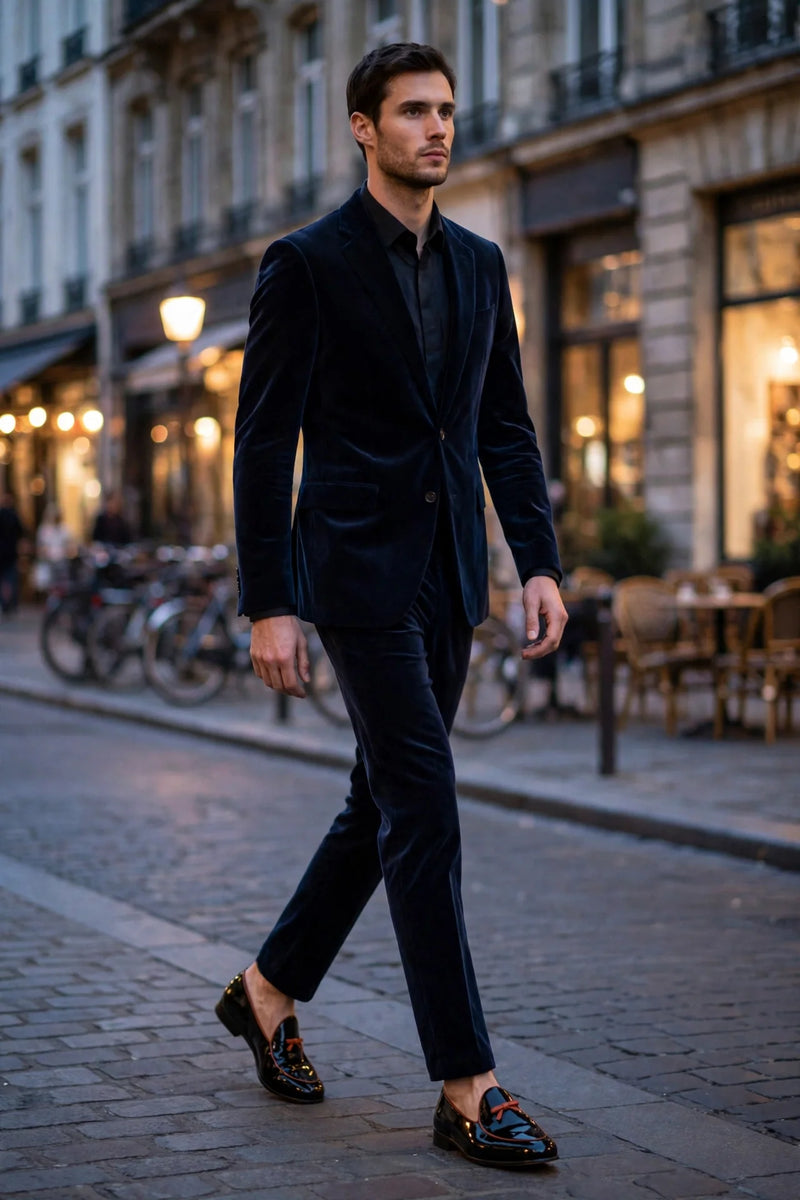
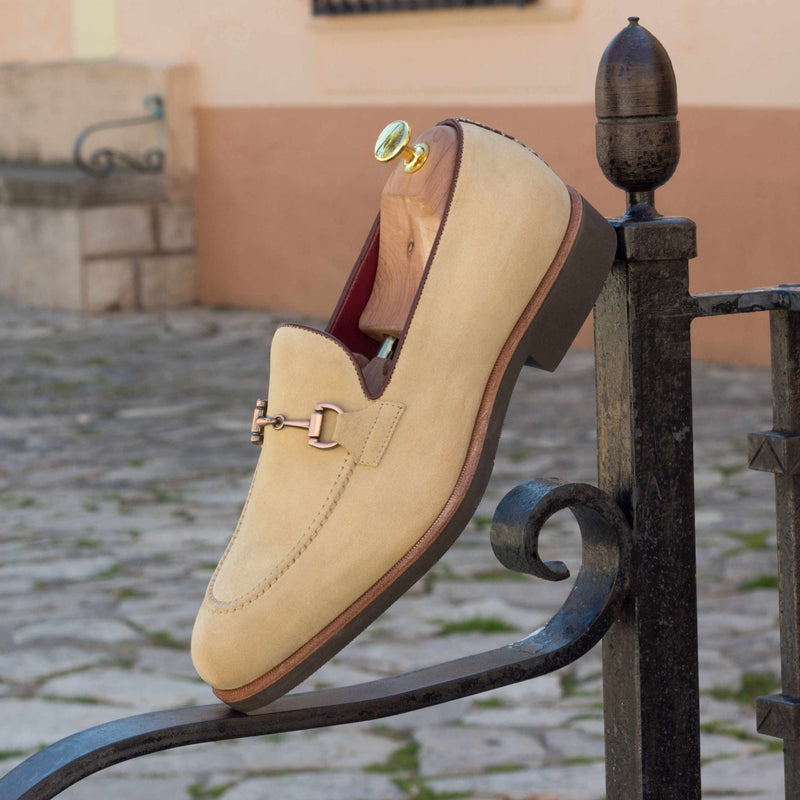
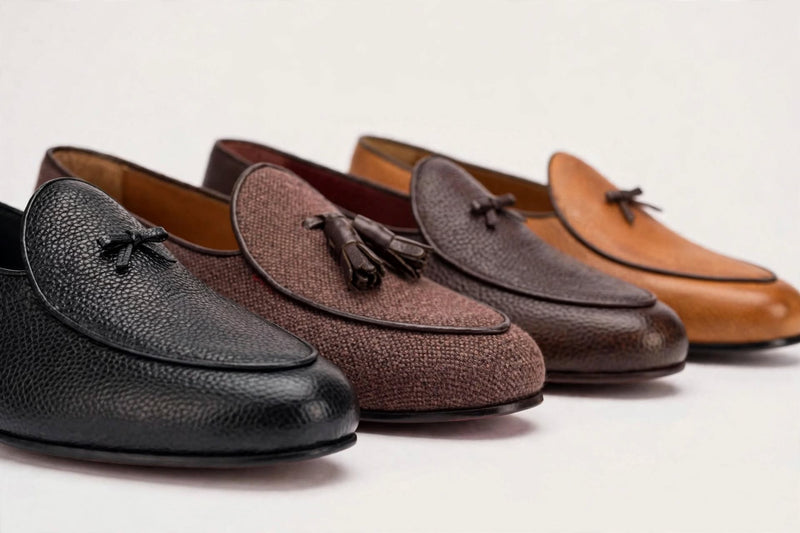
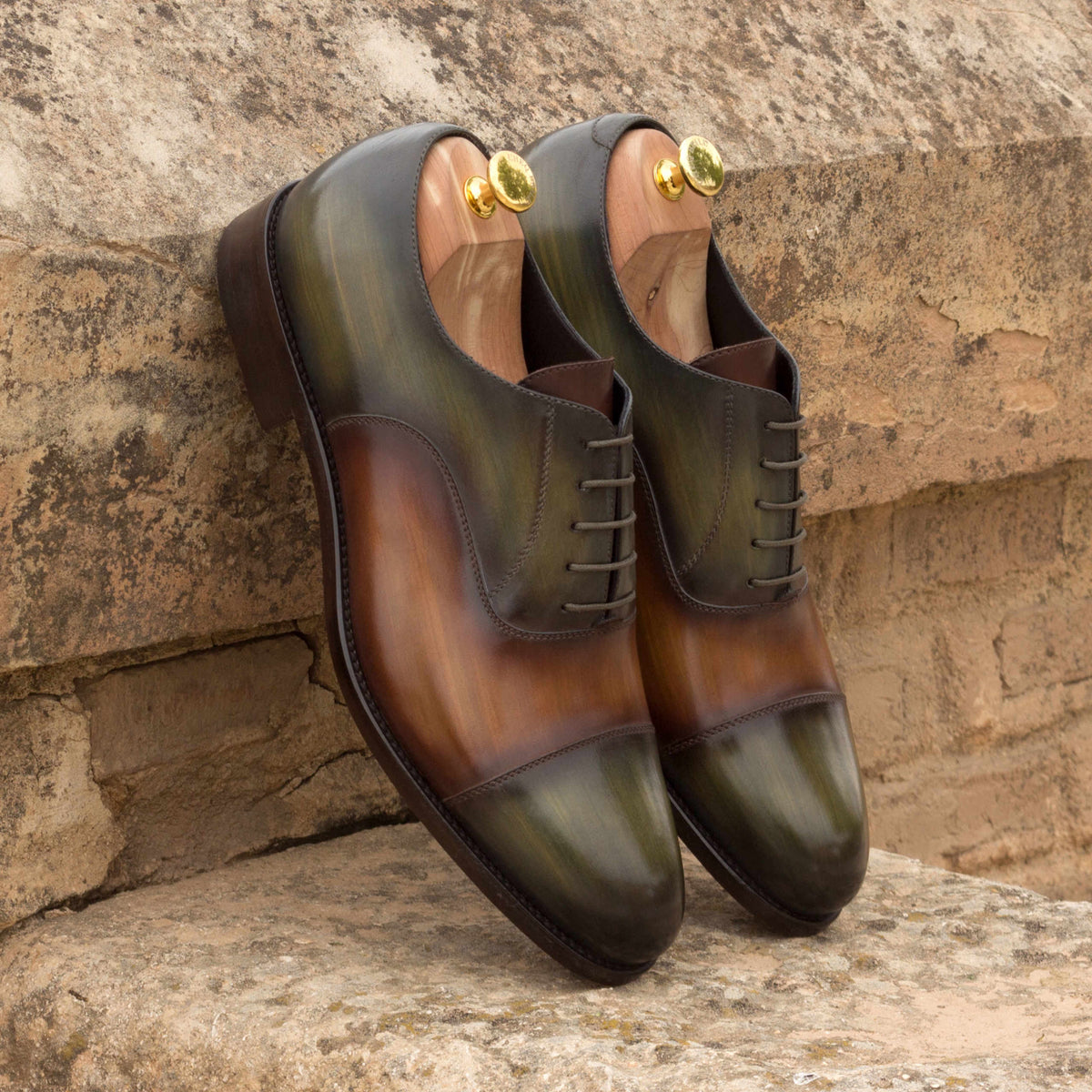
Here is what the rack never shows you: when made to order, the whole catalog opens up, not one apology pair. Oxfords — cap-toe, plain-toe, wingtip — in box calf or patina. Belgians in suede or velvet, with the flat bow or the hanging tassel. Tassel loafers, horsebit loafers, wholecuts, monks. Colorways that no retailer would gamble on in a size 14: navies, burgundies, patinas, two-tones. The option list is long on purpose. If your entire retail life has been we don't carry that in your size, the reversal is the point: the question stops being which compromise you will accept and becomes which combination you actually want — the design studio lets you build it before you commit to anything.
Each style carries its own size range. Some styles reach size 17 and 18; others stop earlier. Widths run D and EE — and width and length are independent, so a size 14 foot can be a clean D while a size 10 needs EE. The exact range for the style you are building appears at the size selection step, before your order is confirmed. You will never discover a ceiling after the money has moved.
Confirmed before the cut
The made-to-order route is short and plain. You pick the style, the leather, the colorway — then lock size and width at the size selection step, where the style's full range is shown. The complete spec is confirmed before anything is cut: the pair that arrives four to six weeks later is the pair you signed off on, built once, for one foot the industry spent decades telling to settle. The extended-sizing collection shows the full range in one place; the customizer lets you spec an oxford from the ground up.
The questions big-size dress shoe buyers ask
Do size 14 dress shoes exist off the rack? Almost never as a planned range. The token big-size shoe at most retailers is a comfort sneaker or a black lace-up; dress shoes are the first style dropped past 13 because they turn over slowly on a shelf. What the big-size specialists do carry tends to be visually apologetic — thick soles, heavy shapes — not the dress shoe you actually want to wear.
Should I size up to stop heel slip? No. Heel slip on a large dress shoe is almost never a length problem; it is a last problem — the counter failing to cup the heel. Going longer moves the flex point forward of where your foot bends, so the shoe breaks in the wrong place, the slip gets worse, and now the length is wrong too. The fix is last geometry and width grade, not a bigger number on the box.
Which dress shoe styles run the biggest sizes? Ranges are set style by style — some of our styles reach 17 and 18, others stop earlier. Any seller quoting one blanket ceiling for the whole catalog is guessing. Each style's exact range appears at the size selection step, before your order is confirmed.
How far ahead should I order made to order? Production runs four to six weeks from the confirmed spec. Order ahead of the season — or the wedding, or the gala — and the timeline stops being a risk and becomes the reason the pair fits: nothing was cut until your size, width, leather, and colorway were locked first.
Can I see the shoe before committing? Yes — the design studio builds the spec on screen, leather, colorway, size and width included, before anything is committed. When genuinely torn between two builds, spec both virtually and let the pair you keep thinking about win.