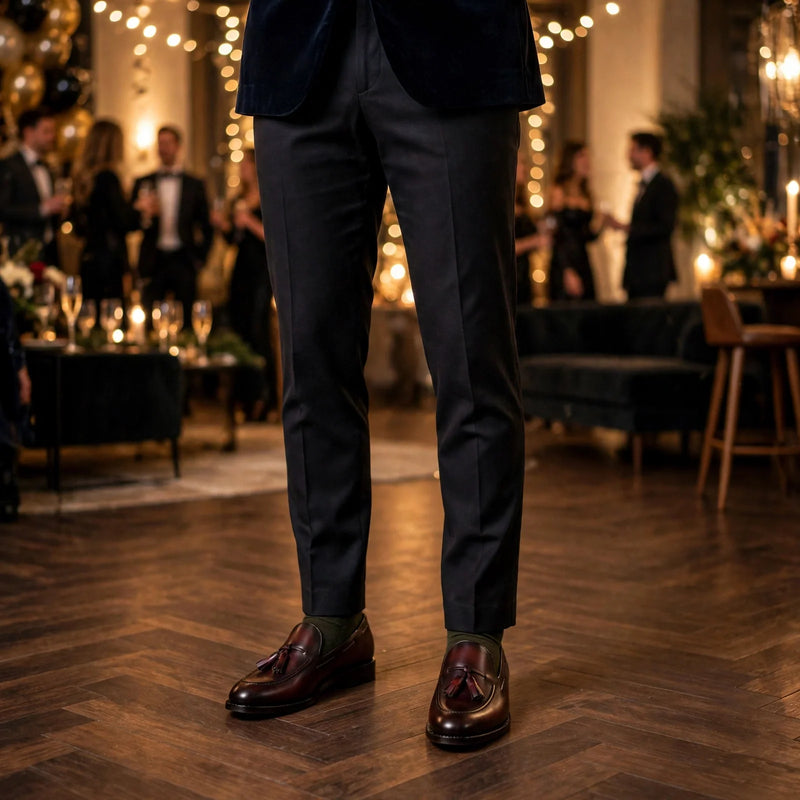
Victor Wembanyama played his first preseason game of the year on Friday, and while everyone watched his crossover, the quieter spectacle sat at his feet. His sneakers are a size 20.5, per Sporting News. His Team France teammates spent the summer holding his size-21 Nikes like a telephone receiver and imitating his jump shot with them. He is 7-foot-4. Nothing about him is off the rack.
Very few places, honestly. Most dress shoe brands stop at 13, and even the generous ones stop at 16. Smythe & Digby makes many dress styles past US 15 with half sizes, on true extended lasts, with the deepest styles reaching 18. Widths run D, EE (US 2E), and EEE in select styles. Every pair is made to order.
The wall at 13
The American shoe industry has a wall, and it sits at size 13. Walk into nearly any store and the story is the same. Thirteens exist as a gesture. Fourteens are a rumor. Fifteens are a phone call to a warehouse. This is the part of menswear where big men learn that the industry's idea of "inclusive sizing" ends where their feet begin.
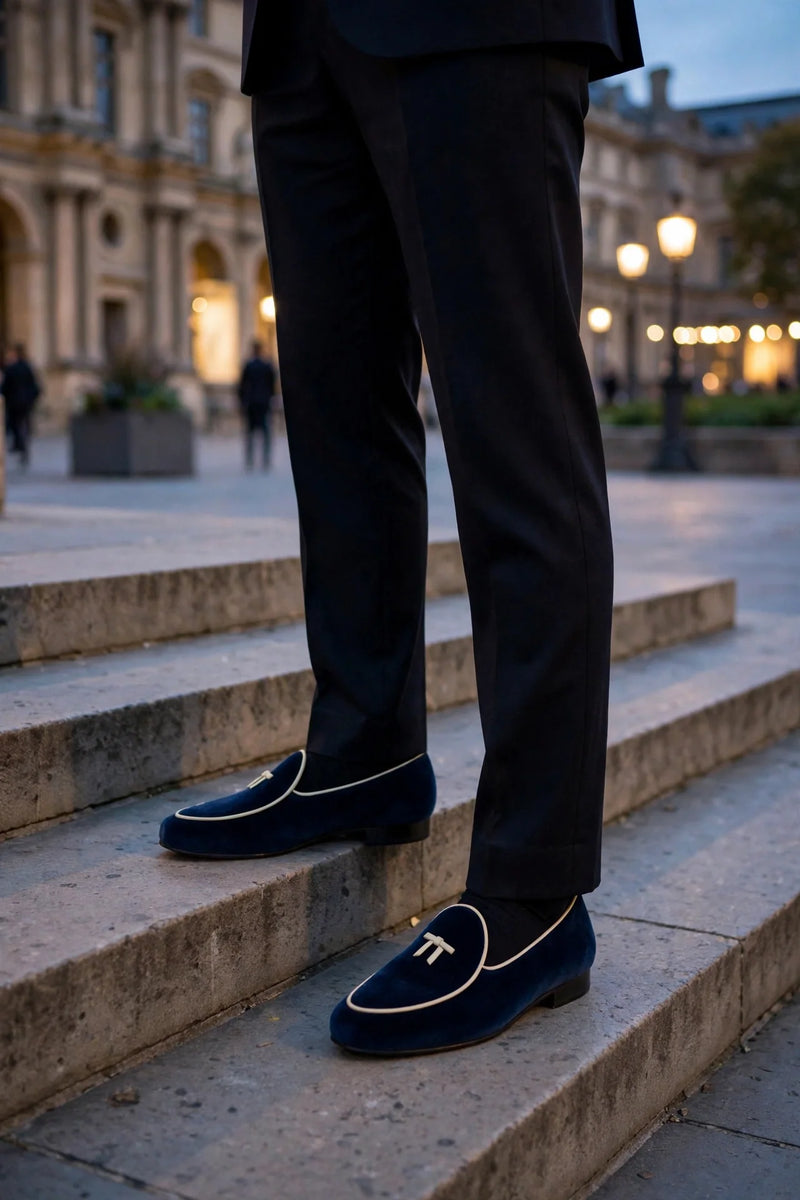
Off the shelf, the ceiling is real. Allen Edmonds, the most generous of the mainstream American dress-shoe makers, stops at 16. The big-size specialists go further. BigShoes.com, the incumbent in this strange corner of retail, stocks dress shoes up to 21, including a velvet loafer in big sizes. It is off-the-shelf inventory, though, and it is what it is when it arrives.
Why dress shoes are harder than sneakers
Wembanyama will never lack for basketball shoes. Nike builds him player exclusives and is reportedly preparing a signature line. Athletic footwear at the extreme end is an engineering project with a marketing budget.
Dress shoes have no such machinery. A size 18 oxford is not a size 11 with more leather. The proportions have to change, the balance point moves, and the last itself must be re-scaled or the shoe looks, to borrow a phrase from the forums, like whatever was left. That is why so few makers bother. The tooling for a handful of extended lasts costs real money, and the customer for them is a man most brands never meet, because he stopped browsing years ago.
The wedding problem
Here is where it stops being an industry curiosity and starts being a man's actual evening. Weddings are the forcing function. A tall groomsman can have his suit tailored into submission. His shoes cannot be hemmed.
Size 18 exists. It just doesn't live in stores.
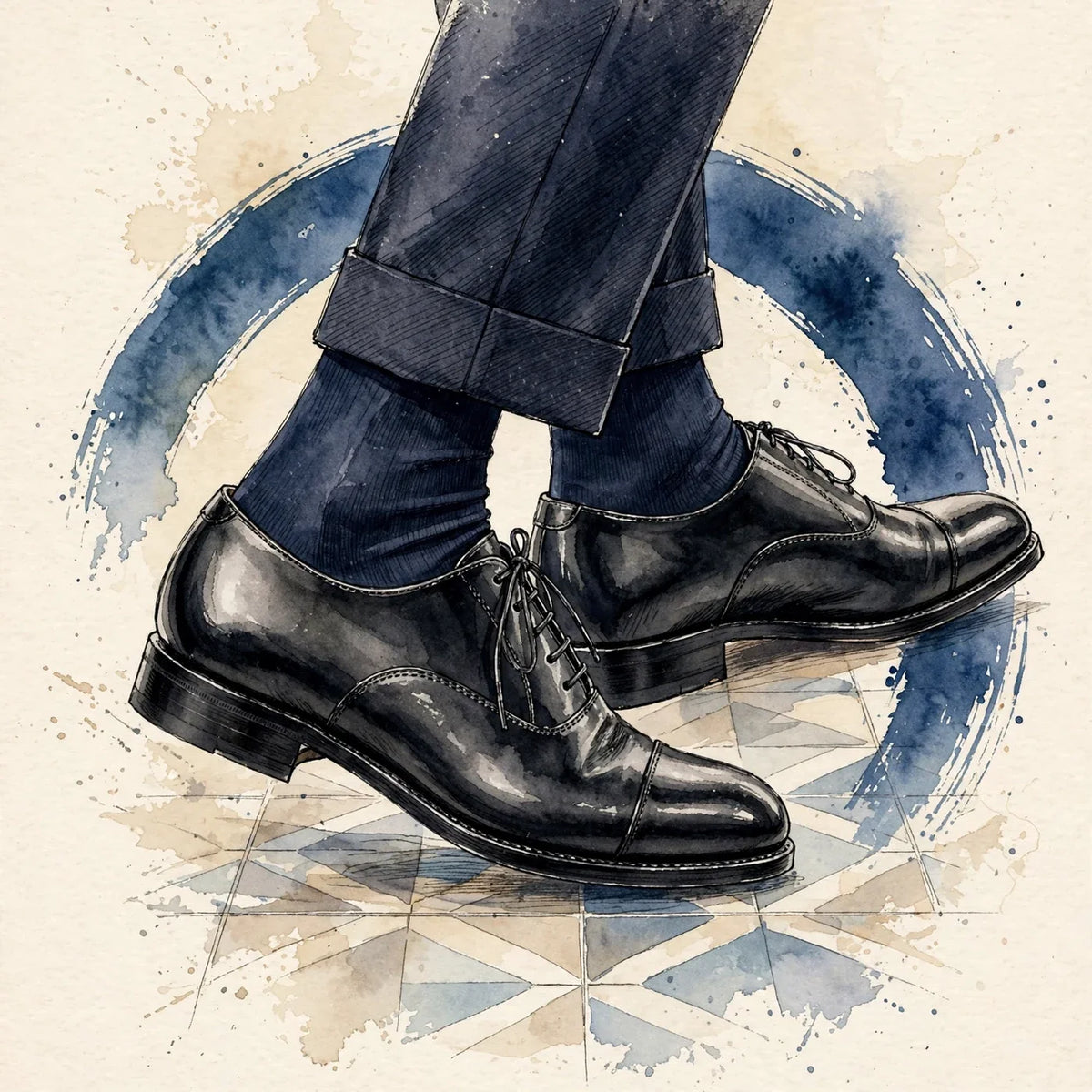
The big-and-tall wedding order is its own category. The groom is usually 6-foot-4 and has spent a decade being told to "just wear sneakers" under a tuxedo. He will not, and he should not have to. A black oxford or a velvet slipper in 17 or 18, cut on a last that was actually built for the foot, is the difference between enduring the evening and owning it.
The honest ceiling
Honesty requires a line drawn at the top. Smythe & Digby's extended range reaches 18 on the deepest styles, and 18 is not 21. Wembanyama's 20.5 is beyond us, and beyond everyone making actual dress shoes. Shaquille O'Neal wore a 22. Yao Ming wore an 18. If you wear a 17, you are a person of consequence in the shoe world.
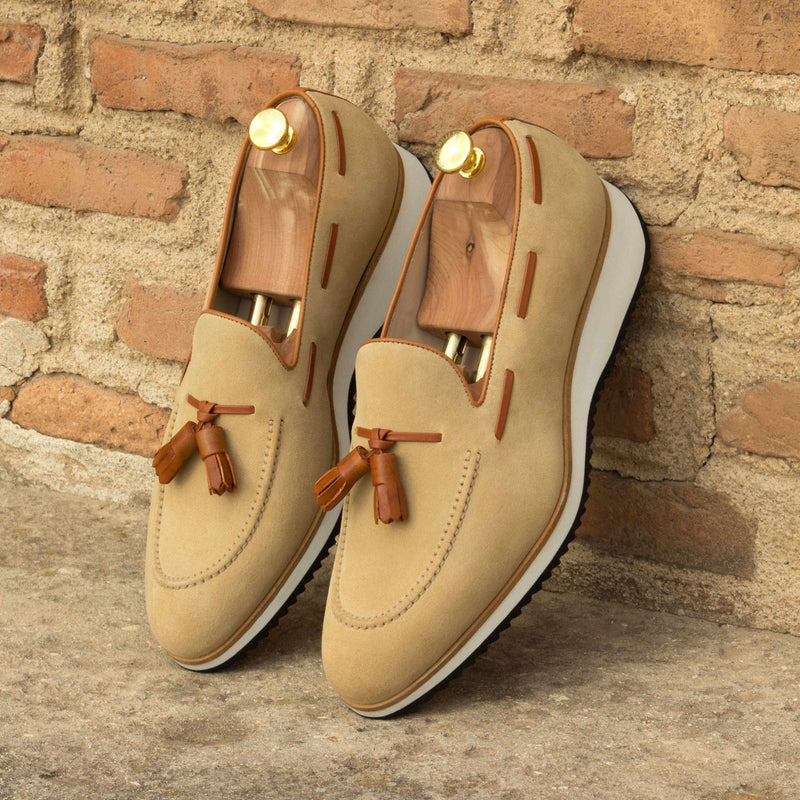
What the atelier does offer, for the tall men who are not seven feet tall, is this. Sizes 14, 15, 16 and beyond, many styles running past 15 with half sizes, all on extended lasts where the proportions are scaled for a bigger foot rather than stretched from an 11. D and EE widths where offered, EEE in select styles. Velvet on the slippers, suede and calf on the rest, every pair designed to order in our Design Studio and built in the standard four to six weeks. The full range lives on our extended sizing page, and the wall at 13 does not apply here.
Questions tall men actually ask
What dress shoes come in size 18?
Very few. Most brands stop at 13 or 16. Smythe & Digby's deepest styles reach 18, though the exact ceiling varies by style.
Do extended sizes come in wide widths?
Yes, where offered. Standard D, EE (the US 2E wide), and EEE in select styles. Nothing beyond EEE.
How long does a made-to-order pair take?
The standard production is four to six weeks, so order ahead of the wedding, the gala, or the season. Your feet got this far without hurrying. The shoes can take their time.
Design Your Pair. Start with the style, choose the material, and pick the size the industry forgot to make.